Back

young lady on glasses

Emily Carter

Ghost writer & Dev Ops

Marketing

Health

Emily is a professional ghostwriter with a strong background in DevOps and technical content creation. She brings several years of experience writing across marketing and health topics, blending technical accuracy with reader-friendly storytelling. Emily specializes in translating complex systems, tools, and processes into clear, engaging content that resonates with both technical and non-technical audiences. Her work supports brands looking to build trust through well-researched, authoritative writing. Known for her adaptability and precision, Emily excels at writing behind the scenes, ensuring each piece aligns seamlessly with a client’s voice, goals, and audience expectations.

Related Stories

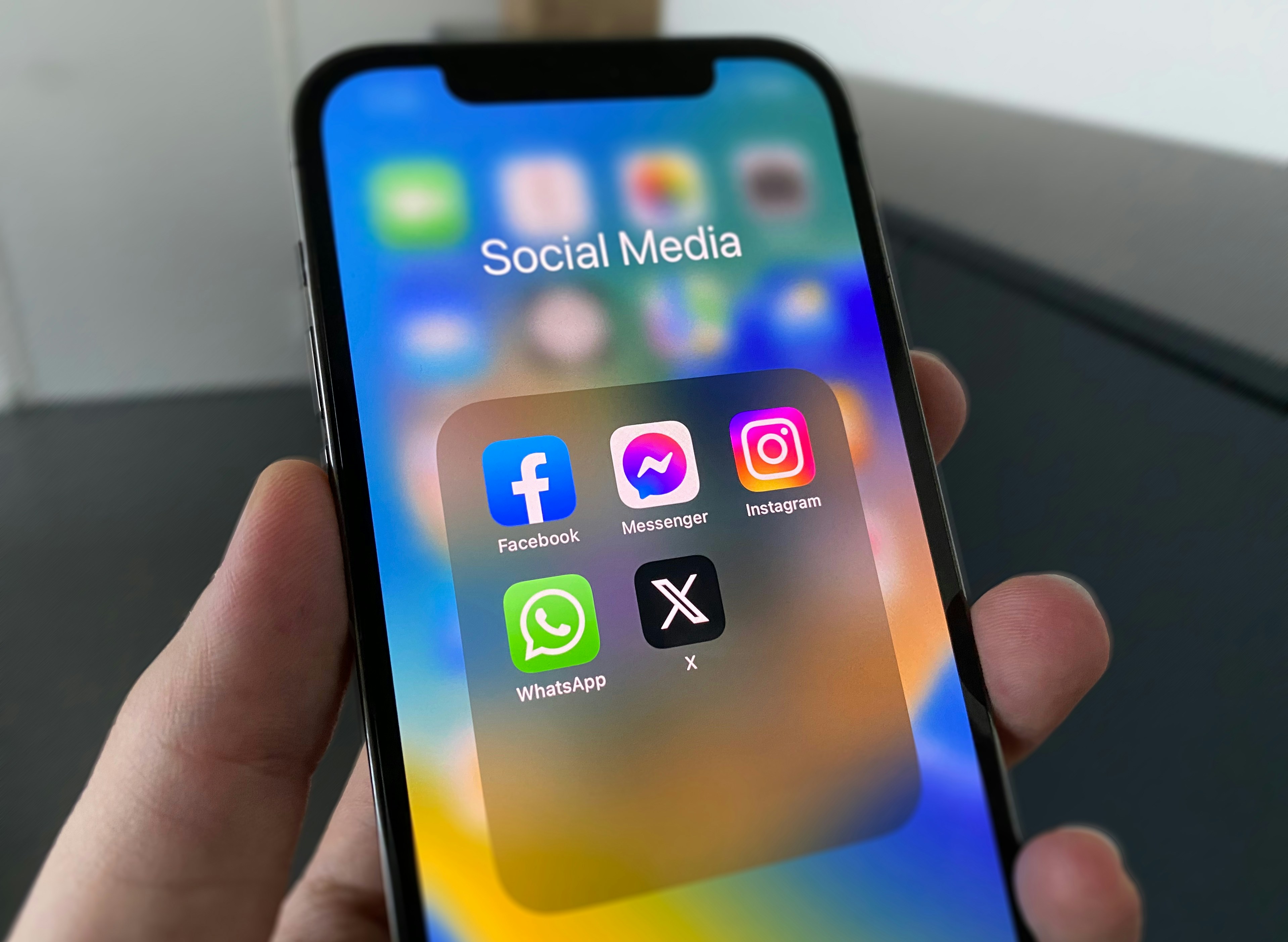
a person holding a cell phone with social media on the screen

Marketing

young lady on glasses

Emily Carter

3 mins

Content Marketing Strategies That Actually Work

Content marketing is one of the most effective ways for brands to engage audiences, build trust, and drive business growth. Success comes from using strategies that resonate with your target audience and deliver value consistently.

Know Your Audience
Understanding your audience’s interests, pain points, and preferences is key. Conduct research, surveys, or analyze data to create content that speaks directly to their needs.

Create High-Quality Content
Focus on quality over quantity. Well-researched articles, engaging videos, and visually appealing graphics provide real value, establish credibility, and encourage sharing.

Consistency Is Key
Publishing content consistently keeps your brand visible and top-of-mind. Develop an editorial calendar to plan topics, formats, and publishing schedules effectively.

Optimize for SEO
Search engine optimization ensures your content reaches the right audience. Use relevant keywords, meta descriptions, and backlinks to improve visibility and search rankings.

Leverage Multiple Platforms
Distribute content across social media, email newsletters, and blogs to maximize reach. Tailor content to each platform for better engagement and results.

Measure and Adjust
Track performance using analytics tools to see what resonates. Adjust strategies based on metrics like engagement, shares, and conversions for continuous improvement.

Conclusion
Effective content marketing combines audience understanding, quality, consistency, and adaptability. By focusing on strategies that work, brands can build stronger connections and achieve meaningful growth.

running man on bridge

Travel

young lady on glasses

Emily Carter

5 mins

How to Travel Smarter on Any Budget

Traveling doesn’t have to be expensive to be memorable. With smart planning and thoughtful choices, you can explore new destinations, enjoy unique experiences, and stick to your budget.

Plan Ahead
Booking flights, accommodations, and activities in advance often saves money. Early planning allows you to compare options and take advantage of deals or discounts.

Travel Off-Peak
Visiting destinations during off-peak seasons reduces costs for lodging, transportation, and attractions. You’ll also enjoy fewer crowds, making the experience more relaxing.

Use Budget-Friendly Transportation
Consider public transport, shared rides, or local transit instead of taxis and private vehicles. Walking or biking is also a great way to explore while saving money.

Choose Affordable Accommodations
Look beyond hotels to options like hostels, vacation rentals, or guesthouses. Flexible dates and alternative locations can significantly lower accommodation costs.

Prioritize Experiences Over Spending
Focus on activities and experiences rather than shopping or luxury dining. Free walking tours, local markets, and nature excursions offer authentic and affordable ways to enjoy a destination.

Track Your Expenses
Keeping a daily travel budget helps prevent overspending. Simple apps or notes can track expenses and ensure you stay within your limits.

Conclusion
Traveling smart on any budget is about planning, flexibility, and prioritizing meaningful experiences. With these strategies, you can make the most of your trip without overspending.

blue and green peacock feather

Health

young lady on glasses

Emily Carter

4 mins

The Connection Between Mental Wellness and Physical Health

Mental wellness and physical health are deeply connected. How we think, feel, and manage stress can directly affect how our bodies function. Understanding this connection helps create a more balanced and healthy lifestyle.

How Mental Wellness Affects the Body
Mental well-being influences energy levels, sleep quality, and immune function. Ongoing stress or emotional strain can lead to physical symptoms such as fatigue, tension, or lowered resistance to illness. A calm and supported mind helps the body function more effectively.

Physical Health Supports Mental Well-Being
Regular physical activity, balanced nutrition, and adequate sleep all contribute to better mental wellness. Exercise supports mood regulation, movement reduces stress, and proper nutrition fuels brain health, helping improve focus and emotional balance.

The Role of Stress Management
Managing stress is key to maintaining both mental and physical health. Simple practices like deep breathing, short walks, or taking breaks during the day can help reduce tension and support overall well-being.

Building Healthy Daily Routines
Consistent routines create stability for both mind and body. Regular sleep schedules, movement, and mindful habits help maintain balance and support long-term health.

Mind-Body Awareness
Paying attention to mental and physical signals encourages early action when something feels off. This awareness supports healthier choices and prevents long-term issues from developing.

Conclusion
Mental wellness and physical health work together, not separately. By caring for both, individuals can improve energy, resilience, and overall quality of life.

grayscale photo of people walking towards building

Business

young lady on glasses

Emily Carter

4 mins

The Role of Leadership in Building Strong Teams

Strong teams are the foundation of successful organizations, and effective leadership plays a critical role in shaping them. Leaders influence team culture, performance, and motivation, making their approach essential to long-term success.

Setting a Clear Vision
Great leaders provide direction. By clearly communicating goals and expectations, leaders help team members understand their purpose and how their work contributes to the bigger picture. A shared vision aligns efforts and builds focus.

Building Trust and Communication
Trust is at the core of strong teams. Leaders who encourage open communication and transparency create an environment where team members feel heard and valued. This openness leads to better collaboration and problem-solving.

Empowering Team Members
Effective leaders empower individuals by giving them responsibility and autonomy. When team members feel trusted to make decisions, confidence grows and productivity improves. Empowerment also encourages innovation and accountability.

Supporting Growth and Development
Investing in employee development strengthens teams over time. Leaders who support learning, provide feedback, and recognize achievements help team members reach their full potential and stay engaged.

Encouraging Collaboration
Strong leadership promotes collaboration rather than competition. By fostering teamwork and mutual respect, leaders help teams work more effectively and achieve better results together.

Leading by Example
Leaders set the tone through their actions. Demonstrating integrity, commitment, and professionalism inspires teams to follow the same standards and values.

Conclusion
Leadership is more than managing tasks—it’s about guiding people. By building trust, empowering individuals, and encouraging growth, leaders create strong teams capable of achieving lasting success.

purple and black pyramid wallpaper

Tech

Featured

young lady on glasses

Emily Carter

4 mins

The Future of Artificial Intelligence in Daily Life

Artificial Intelligence (AI) is no longer a futuristic concept reserved for science fiction. It has quietly become part of our everyday routines, helping us work smarter, communicate faster, and live more efficiently. As AI technology continues to evolve, its role in daily life is expected to grow even more impactful.

Smarter Homes and Personal Assistants
AI-powered devices such as voice assistants, smart thermostats, and security systems are already transforming how we manage our homes. These systems learn from user behavior, allowing them to adjust lighting, temperature, and energy usage automatically. In the future, smart homes will become even more intuitive, anticipating needs rather than simply responding to commands.

AI in Healthcare
Healthcare is one of the most promising areas for AI innovation. From early disease detection to personalized treatment plans, AI can analyze large amounts of medical data faster and more accurately than humans alone. Wearable devices powered by AI can monitor vital signs in real time, helping individuals and doctors spot potential health issues earlier.

Education and Learning
AI is reshaping education by making learning more personalized. Adaptive learning platforms can adjust lessons based on a student’s strengths and weaknesses, helping learners progress at their own pace. In the future, AI tutors may support students outside the classroom, offering instant feedback and guidance.

Transportation and Mobility
AI is playing a major role in improving transportation. Features like navigation apps, traffic prediction, and driver-assist technologies are becoming smarter and safer. As self-driving technology advances, AI could reduce accidents, improve traffic flow, and make transportation more accessible for everyone.

Everyday Work and Productivity
From automating repetitive tasks to assisting with writing, scheduling, and data analysis, AI tools are helping people save time and focus on creative or strategic work. As AI becomes more integrated into workplaces, it will continue to enhance productivity rather than replace human creativity and decision-making.

Looking Ahead
The future of artificial intelligence in daily life is about collaboration between humans and technology. While AI will continue to take on more responsibilities, human values, ethics, and creativity will remain essential. When used thoughtfully, AI has the potential to make everyday life more convenient, efficient, and connected.


person holding MacBook Pro besides orange power bank

Business

young lady on glasses

Emily Carter

3 mins

Remote Work Tips for Better Productivity

Remote work offers flexibility and freedom, but staying productive outside a traditional office can be challenging. With the right habits and structure, working from home can be just as effective—if not more—than working in an office.

Create a Dedicated Workspace
Having a specific place to work helps separate professional and personal life. Choose a quiet, comfortable area with minimal distractions. A consistent workspace trains your brain to focus when you sit down to work.

Set a Clear Routine
Starting and ending your workday at the same time creates structure. A routine helps you manage your energy, stay organized, and avoid burnout. Simple habits like planning tasks in the morning can improve focus throughout the day.

Prioritize Tasks and Goals
Break your workload into manageable tasks and set clear daily goals. Focusing on high-priority work first prevents overwhelm and ensures important tasks get completed on time.

Take Regular Breaks
Short breaks throughout the day help maintain concentration and prevent mental fatigue. Stepping away from the screen, stretching, or taking a quick walk can refresh your mind and improve overall productivity.

Limit Distractions
Remote environments come with unique distractions, from social media to household chores. Turning off unnecessary notifications and setting boundaries with others can help protect your focus during work hours.

Use the Right Tools
Productivity tools such as task managers, calendars, and communication platforms help remote workers stay organized and connected. Using the right tools can simplify collaboration and reduce unnecessary stress.

Final Thoughts
Remote work productivity is about balance, discipline, and self-awareness. By creating structure and developing healthy work habits, remote workers can stay focused, motivated, and productive over the long term.

Create a free website with Framer, the website builder loved by startups, designers and agencies.