Back

Health

The Connection Between Mental Wellness and Physical Health

4 mins

blue and green peacock feather

Guard of times, 21st century notation. Photo by Japhet Kowalski

Mental wellness and physical health are deeply connected. How we think, feel, and manage stress can directly affect how our bodies function. Understanding this connection helps create a more balanced and healthy lifestyle.

How Mental Wellness Affects the Body
Mental well-being influences energy levels, sleep quality, and immune function. Ongoing stress or emotional strain can lead to physical symptoms such as fatigue, tension, or lowered resistance to illness. A calm and supported mind helps the body function more effectively.

Physical Health Supports Mental Well-Being
Regular physical activity, balanced nutrition, and adequate sleep all contribute to better mental wellness. Exercise supports mood regulation, movement reduces stress, and proper nutrition fuels brain health, helping improve focus and emotional balance.

The Role of Stress Management
Managing stress is key to maintaining both mental and physical health. Simple practices like deep breathing, short walks, or taking breaks during the day can help reduce tension and support overall well-being.

Building Healthy Daily Routines
Consistent routines create stability for both mind and body. Regular sleep schedules, movement, and mindful habits help maintain balance and support long-term health.

Mind-Body Awareness
Paying attention to mental and physical signals encourages early action when something feels off. This awareness supports healthier choices and prevents long-term issues from developing.

Conclusion
Mental wellness and physical health work together, not separately. By caring for both, individuals can improve energy, resilience, and overall quality of life.

Related Stories

green and red fruit with green leaves

Health

young man on cap smiling

Alex Morgan

4 mins

How Nutrition Impacts Energy and Focus

What we eat plays a major role in how we feel throughout the day. Proper nutrition supports steady energy levels, mental clarity, and the ability to stay focused, making it an essential part of daily well-being.

Fueling the Body with the Right Nutrients
Foods rich in whole grains, lean proteins, fruits, and vegetables provide the body with long-lasting energy. These nutrients help maintain stable blood sugar levels, preventing sudden drops in energy.

The Importance of Balanced Meals
Balanced meals that include carbohydrates, protein, and healthy fats support both physical energy and brain function. Skipping meals or relying on heavily processed foods can lead to fatigue and difficulty concentrating.

Hydration and Brain Function
Staying hydrated is crucial for focus and alertness. Even mild dehydration can affect concentration and mood. Drinking water consistently throughout the day helps support mental performance.

Limiting Energy Crashes
Excess sugar and caffeine may provide short-term energy but often lead to crashes. Choosing nutrient-dense foods helps maintain consistent energy without sudden highs and lows.

Nutrition and Mental Clarity
Certain nutrients support brain health and focus. Regular, mindful eating helps the brain stay sharp and responsive during daily tasks.

Building Sustainable Eating Habits
Consistency matters more than perfection. Developing simple, balanced eating habits supports long-term energy, focus, and overall health.

Conclusion
Nutrition directly impacts how energized and focused we feel. By choosing balanced, nourishing foods, individuals can support better performance and well-being every day.

A woman in a blue dress lies on a bed.

Health

young man on glasses

Liam Chen

3 mins

Simple Daily Habits for Better Long-Term Health

Long-term health isn’t built through extreme changes or quick fixes. It’s shaped by small, consistent habits practiced every day. Simple choices can have a lasting impact on both physical and mental well-being.

Stay Physically Active
Daily movement supports heart health, strength, and energy levels. This doesn’t require intense workouts—walking, stretching, or light exercise can make a meaningful difference over time.

Eat Balanced, Nourishing Meals
Choosing whole foods such as fruits, vegetables, lean proteins, and whole grains supports overall health. Balanced meals help maintain energy, support digestion, and strengthen the immune system.

Get Enough Rest
Quality sleep plays a vital role in long-term health. A consistent sleep schedule helps the body recover, improves focus, and supports emotional balance.

Stay Hydrated
Drinking enough water throughout the day helps regulate body functions, improves concentration, and supports overall wellness. Keeping hydration consistent is a simple yet powerful habit.

Manage Stress Mindfully
Managing stress is essential for long-term health. Practices like deep breathing, short breaks, or mindfulness can help maintain emotional well-being and prevent burnout.

Build Consistent Routines
Consistency matters more than intensity. Small daily habits, when repeated over time, create sustainable improvements in health and quality of life.

Conclusion
Better long-term health comes from everyday actions. By focusing on simple, manageable habits, individuals can build a healthier lifestyle that lasts.

a woman is holding a bowl of food

Health

Featured

young man on mexican hat

Jordan Lee

5 mins

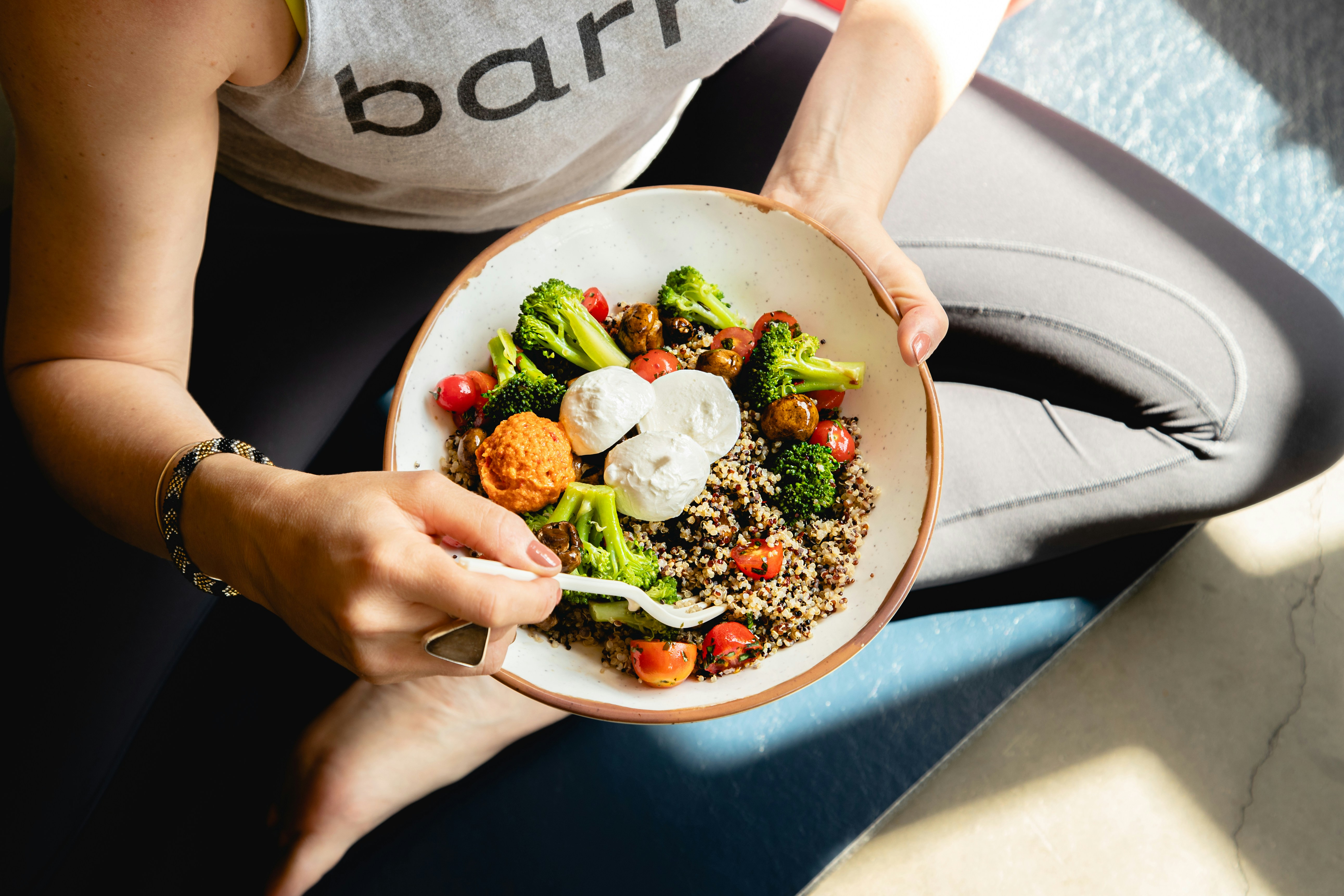
Healthy Eating Habits for Busy People

Maintaining a healthy diet can be challenging when life gets busy. Between work, school, and personal commitments, it’s easy to rely on convenience foods. However, with a few simple habits, eating well can fit into even the busiest schedules.

Plan Simple Meals Ahead
Meal planning doesn’t have to be complicated. Choosing a few easy meals for the week saves time and reduces last-minute unhealthy choices. Preparing ingredients in advance can make cooking faster and less stressful.

Choose Whole, Nutrient-Rich Foods
Focus on foods that provide lasting energy, such as fruits, vegetables, whole grains, and lean proteins. These options are more filling and nutritious than heavily processed foods, helping you stay energized throughout the day.

Keep Healthy Snacks Available
Having healthy snacks on hand prevents skipping meals or reaching for less nutritious options. Nuts, yogurt, fruit, and whole-grain snacks are convenient choices that support balanced nutrition.

Stay Hydrated
Busy schedules often lead to forgetting to drink enough water. Staying hydrated supports digestion, focus, and overall health. Keeping a reusable water bottle nearby can help make hydration a daily habit.

Practice Mindful Eating
Even when time is limited, paying attention to what and how you eat matters. Eating slowly and without distractions helps you recognize hunger cues and enjoy meals more fully.

Balance, Not Perfection
Healthy eating doesn’t require perfection. It’s about making better choices most of the time and finding a balance that works for your lifestyle. Small, consistent changes can lead to long-term benefits.

Final Thoughts
For busy people, healthy eating is about simplicity and consistency. With thoughtful planning and realistic habits, it’s possible to nourish your body without adding stress to your day.

Create a free website with Framer, the website builder loved by startups, designers and agencies.