Back

Fashion

Featured

Why Sustainable Fashion Matters

4 mins

woman with sunglasses standing outdoor during daytime

Guard of times, 21st century notation. Photo by Japhet Kowalski

Fashion plays a major role in everyday life, but the way clothing is produced and consumed has a significant impact on the planet and on people. Sustainable fashion focuses on reducing environmental harm while promoting ethical practices. As awareness grows, more consumers are beginning to understand why sustainable fashion truly matters.

The Environmental Impact of Fashion
Traditional fashion production often relies on large amounts of water, energy, and chemicals. Fast fashion contributes to pollution and textile waste, with millions of garments ending up in landfills each year. Sustainable fashion aims to reduce this impact by using eco-friendly materials, minimizing waste, and lowering carbon emissions.

Ethical Labor Practices
Beyond environmental concerns, fashion also affects the lives of workers around the world. Sustainable fashion supports fair wages, safe working conditions, and responsible supply chains. Choosing ethically made clothing helps promote dignity and fairness in the fashion industry.

Quality Over Quantity
Sustainable fashion encourages buying fewer, higher-quality items that last longer. This shift away from constant consumption reduces waste and helps consumers build more meaningful wardrobes. Durable clothing also saves money in the long run by reducing the need for frequent replacements.

Innovation and Responsible Design
Many sustainable brands are embracing innovation, using recycled materials, organic fabrics, and low-impact dyes. Designers are rethinking how clothes are made, packaged, and distributed, proving that style and sustainability can coexist.

The Role of Consumers
Consumers play a powerful role in shaping the future of fashion. By supporting sustainable brands, repairing clothes, and making thoughtful purchasing decisions, individuals can help drive positive change across the industry.

Looking Ahead
Sustainable fashion is not just a trend—it’s a necessary shift toward a more responsible future. As brands and consumers continue to work together, the fashion industry has the potential to become more ethical, transparent, and environmentally friendly.

Related Stories

man standing beside man

Fashion

young man on glasses

Liam Chen

3 mins

Why Personal Style Matters More Than Trends

Fashion trends come and go, often changing from season to season. Personal style, however, is lasting. It reflects individuality, confidence, and self-expression, making it far more meaningful than following every new trend.

Trends Are Temporary
Trends are designed to be short-lived. What’s popular today may feel outdated tomorrow. Constantly chasing trends can lead to unnecessary spending and wardrobes filled with items that no longer feel authentic.

Personal Style Reflects Identity
Personal style is a way to express who you are without words. It’s shaped by lifestyle, comfort, and personal preferences rather than external pressure. When clothing aligns with your identity, it builds confidence and authenticity.

Confidence Over Comparison
Wearing what feels right for you encourages confidence. Instead of comparing yourself to others or current fashion moments, personal style focuses on what makes you feel comfortable and empowered.

Sustainability and Conscious Choices
Choosing personal style over trends often leads to more thoughtful shopping. Investing in timeless pieces reduces waste and supports a more sustainable approach to fashion. Fewer impulse purchases mean a more intentional wardrobe.

Building a Timeless Wardrobe
A personal style-driven wardrobe focuses on versatility and longevity. Classic silhouettes, neutral colors, and quality materials make it easier to mix and match outfits across seasons.

Style as a Creative Process
Developing personal style is an ongoing journey. It evolves with experiences, tastes, and life changes. This flexibility makes fashion more enjoyable and less stressful.

Conclusion
Personal style matters more than trends because it lasts longer, feels more authentic, and supports mindful fashion choices. By focusing on what truly represents you, style becomes a form of self-expression rather than a race to keep up.

woman standing on green grass holding brown leather suitcase wearing white button-up dress

Fashion

Featured

smiling lady on green cardigan

Samantha Ruiz

5 mins

Inside the Rise of Sustainable Materials in Fashion

The fashion industry is rethinking how clothing is made, and sustainable materials are at the center of this change. As environmental awareness grows, designers and brands are turning to innovative fabrics that reduce harm while maintaining style and quality.

What Are Sustainable Materials?
Sustainable materials are fabrics designed to have a lower environmental impact. They may be made from recycled, renewable, or responsibly sourced resources. These materials aim to reduce waste, conserve energy, and minimize pollution during production.

Popular Sustainable Fabrics
Organic cotton, recycled polyester, and plant-based fibers are becoming more common in modern fashion. These alternatives often require fewer resources than traditional materials and help reduce dependence on non-renewable sources.

Innovation in Material Development
Advancements in technology are driving the creation of new sustainable fabrics. Materials made from recycled plastics, agricultural waste, and natural fibers are changing how designers approach fabric selection. These innovations allow fashion to evolve without sacrificing environmental responsibility.

Benefits for Brands and Consumers
Using sustainable materials supports transparency and ethical production. For consumers, these fabrics often mean better quality, comfort, and durability. For brands, sustainability builds trust and meets growing demand for responsible fashion.

Challenges and Progress
While sustainable materials offer many benefits, challenges such as cost and scalability still exist. However, continued investment and innovation are helping make these materials more accessible across the industry.

The Future of Fashion Materials
As demand grows, sustainable materials are expected to become standard rather than niche. Ongoing research and collaboration will continue to expand options and improve performance.

Conclusion
The rise of sustainable materials marks a significant step toward a more responsible fashion industry. By embracing innovation and conscious choices, fashion can reduce its environmental impact while still inspiring creativity.

women's black leather jacket

Fashion

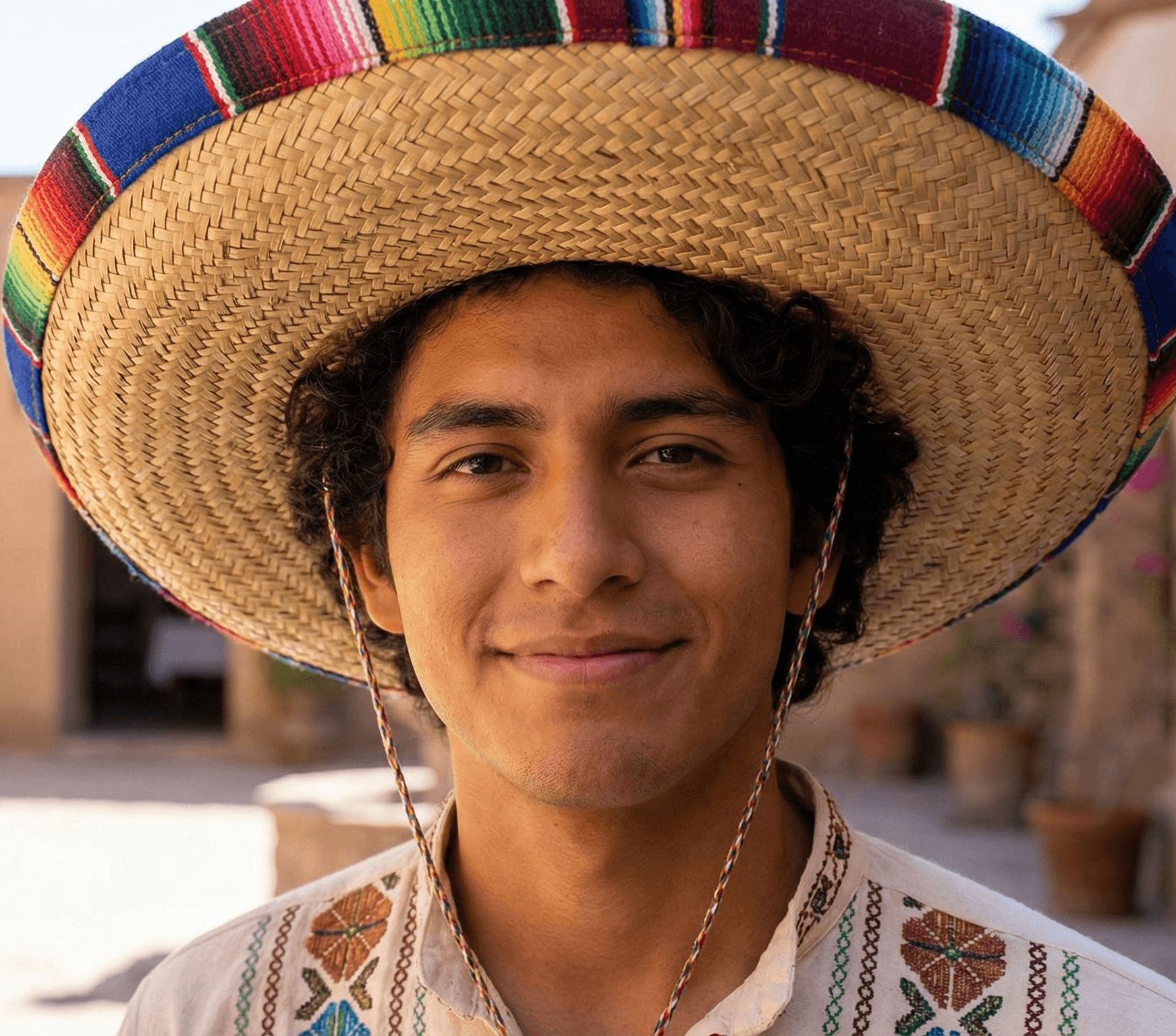
young man on mexican hat

Jordan Lee

3 mins

How Technology Is Redefining Fashion Design

Technology is reshaping the fashion industry, changing how designers create, produce, and present clothing. From digital tools to advanced manufacturing, innovation is opening new possibilities and redefining what fashion design looks like today.

Digital Design and 3D Modeling
Designers are increasingly using digital software and 3D modeling to create garments before they are physically produced. These tools allow designers to experiment with shapes, fabrics, and colors quickly, reducing waste and speeding up the design process.

Artificial Intelligence in Fashion
Artificial intelligence is helping designers analyze trends, predict consumer preferences, and optimize designs. AI-powered tools can study large amounts of data to suggest styles, patterns, or materials that align with market demand, supporting smarter design decisions.

Sustainable Innovation
Technology is also driving sustainability in fashion. New materials made from recycled or bio-based sources are reducing environmental impact. Advanced dyeing and production techniques use less water and energy, helping brands create fashion more responsibly.

Customization and Personalization
Modern technology makes customization more accessible. Digital measurements, on-demand production, and personalized designs allow consumers to get clothing that fits better and reflects individual style. This shift also reduces overproduction and excess inventory.

Virtual Fashion and Digital Experiences
Virtual fashion shows, augmented reality fitting rooms, and digital garments are changing how fashion is experienced. These innovations help brands connect with global audiences and explore creative possibilities beyond physical clothing.

The Future of Fashion Design
As technology continues to evolve, fashion design will become more efficient, inclusive, and sustainable. Designers who embrace innovation can push creative boundaries while meeting the changing expectations of modern consumers.

Conclusion
Technology is not replacing creativity—it’s enhancing it. By combining design talent with technological tools, the fashion industry is entering a new era of innovation and expression.

Create a free website with Framer, the website builder loved by startups, designers and agencies.